Marketing has changed a lot over the years. What once meant newspaper ads and billboards now includes social media posts, email campaigns, and search engine strategies. Both digital and traditional marketing still matter, but they work in very different ways. Understanding the key differences can help business owners, marketers, and even curious readers make better decisions when choosing how to promote a product or brand.
Let’s break it down into five clear differences. Think of it like comparing a modern online ad campaign with the impact of a giant 30-foot flag pole waving a brand’s logo outside a busy store. Both grab attention—but how they do it, and who sees it, varies a lot.
Reach and Audience Targeting
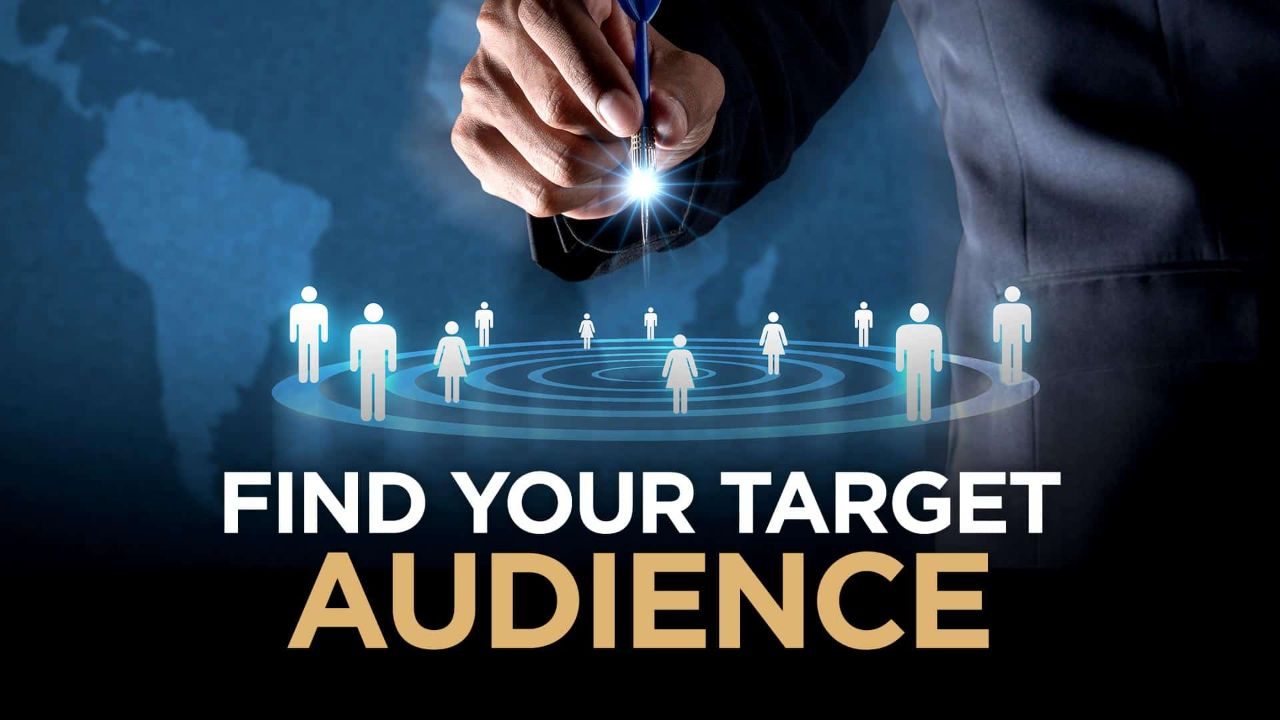
Traditional marketing reaches wide audiences, often without specific targeting. Think of TV ads, print magazines, or radio spots. These methods broadcast messages to whoever happens to be tuned in or passing by.
Digital marketing, on the other hand, lets you aim directly at your audience. With tools like Google Ads or Facebook’s Ad Manager, you can target people based on age, interests, location, and even past online behavior. You’re not just shouting into the crowd—you’re speaking to the people most likely to care.
Cost and Budget Flexibility
One of the biggest advantages of digital marketing is budget control. You can start a campaign with just a few dollars and adjust it anytime. This makes it great for small businesses or anyone testing out a new idea.
Traditional marketing usually requires a bigger budget upfront. Buying a radio spot, printing flyers, or running a commercial involves fixed costs. And once it’s out there, you can’t tweak it without spending more.
Speed and Turnaround Time

Digital marketing moves fast. You can launch a campaign in a few clicks. If something doesn’t work, you can pause it, rewrite it, and relaunch it the same day.
Traditional marketing takes longer. There’s planning, printing, booking ad space, or even coordinating with media outlets. If you need to make changes, it could take weeks. That delay can be risky if you’re trying to respond to current events or fast-moving trends.
Analytics and Tracking
Digital marketing gives you full visibility into how your audience responds. You can see exactly how many people clicked your ad, how long they stayed on your website, and what pages they visited next. All of this information is updated in real time. With these insights, marketers can adjust their approach quickly and improve campaign performance as they go.
Traditional marketing has limited tracking. You might get some data—like how many people saw a billboard—but it’s usually estimates. It’s hard to know exactly what worked and what didn’t.
Consumer Interaction
Digital marketing opens up a two-way conversation. Customers can comment on a post, reply to an email, or message a brand directly. That kind of interaction builds trust and loyalty.
Traditional marketing is mostly one-sided. It sends a message, but the customer doesn’t have a quick or easy way to respond. While it can still make an impression, it doesn’t invite dialogue in the same way digital methods do.
So, which one is better? It depends on your goals. Traditional marketing still works well for local visibility, branding, or audiences that aren’t online often. Digital marketing is perfect for detailed targeting, quick campaigns, and reaching people on their phones and computers.
In many cases, the best results come from a smart mix of both. A strong traditional presence can boost brand trust, while digital campaigns can drive fast, measurable results. Knowing the difference helps you build a balanced strategy that works in today’s marketing world.